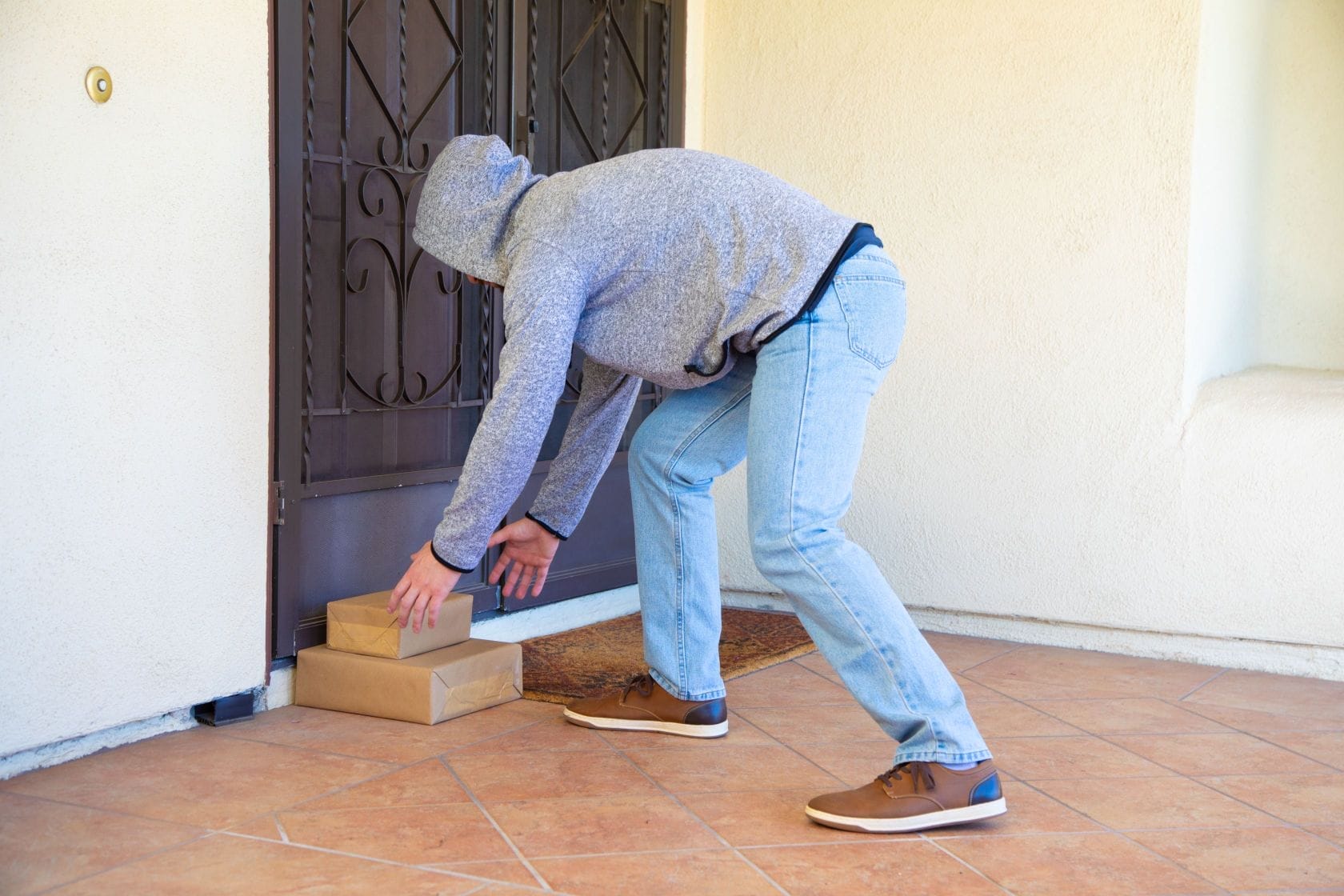
When most people hear the word burglary, they picture someone breaking into a home or business to steal property. While that’s generally true, many states — including Texas and others with similar legal structures — use a more specific term: burglary of habitation. Understanding what it means can help residents better recognize risks, protect their homes, and understand the seriousness of the crime.
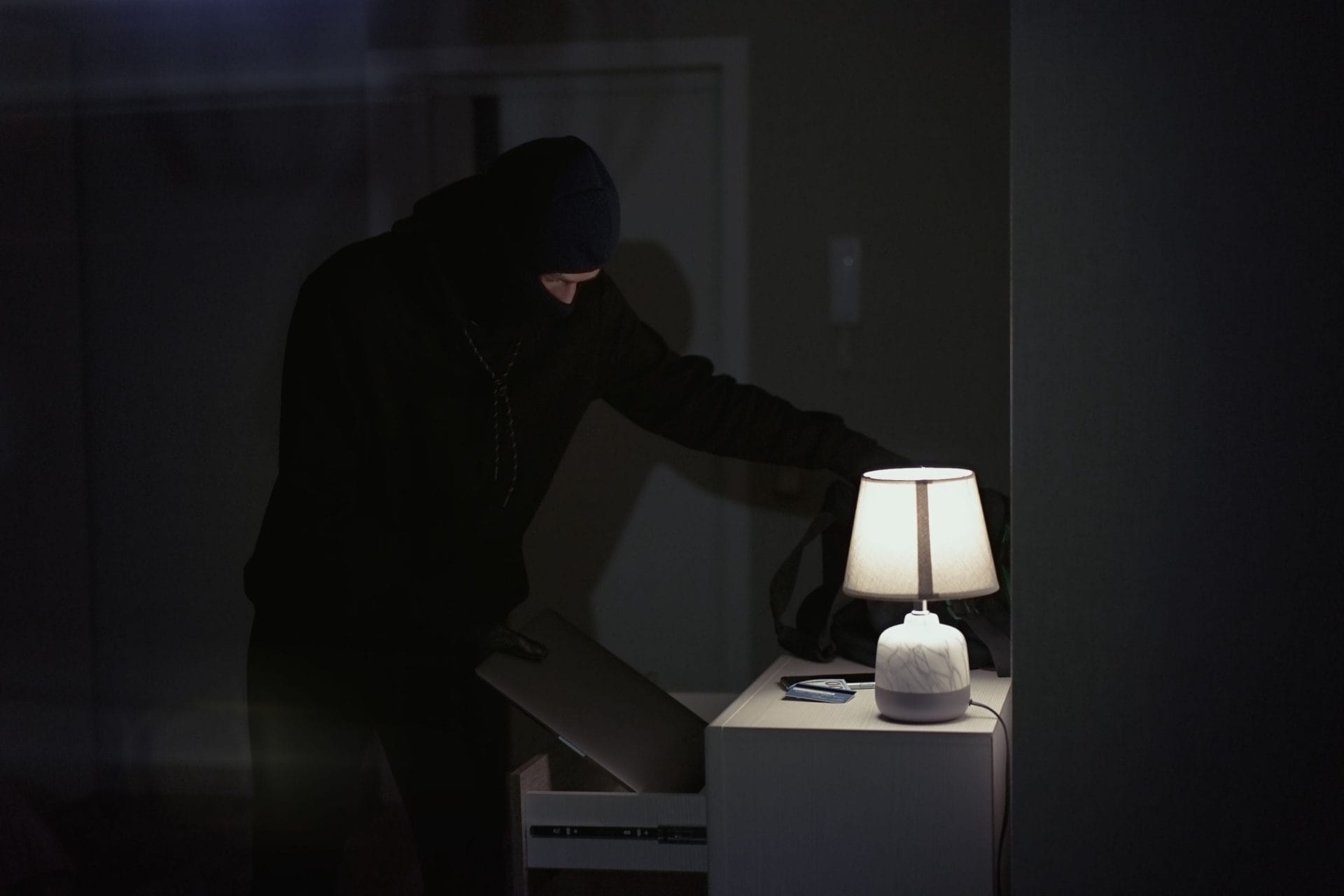
What Does “Burglary of Habitation” Mean?
Burglary of habitation refers to unlawfully entering or remaining inside a habitation — typically a place where people live — with the intent to commit a crime. This doesn’t always require forced entry or even theft. The key elements are:
- Entering a residence without permission
- Intending to commit a felony, theft, or assault
- Remaining inside after being told to leave or knowing you are not allowed to be there
A “habitation” can include single-family homes, apartments, mobile homes, trailers, or any structure adapted for overnight accommodation.
Why Is It Treated Differently Than Other Burglary Offenses?
Burglary of habitation is taken more seriously because it involves entering spaces where people live, sleep, and feel most vulnerable. Even if the residents aren’t home, the emotional and psychological impact of this violation can be intense.
Because of this increased risk to personal safety, many states classify burglary of habitation as a higher-level felony with more severe penalties than standard burglary.
Common Misconceptions
Burglary of habitation is not the same as home invasion.
Home invasion typically involves entering while people are present and often includes threats or violence. Burglary of habitation can occur whether the home is occupied or empty.
You don’t have to steal anything.
The crime is complete the moment someone enters with intent — even if they leave empty-handed.

How Homeowners Can Protect Themselves
While laws define the crime, prevention starts at home. Security professionals often recommend:
- 24/7 monitored home security systems
- Smart locks and sensors
- Video surveillance and doorbell cameras
- Motion-activated lighting
- Reinforced door and window hardware
These tools can deter intruders and provide a rapid response if a break-in occurs.
The Bottom Line
Burglary of habitation is a serious offense because it involves the safety and sanctity of a place where people live. Understanding the term helps homeowners better recognize the risks and take steps to secure their property. Arming your home with monitored devices is also a great way to help prevent this crime from happening to you. To have a home security system professionally installed, call 1.800.PROTECT (1.800.776.8328) or request a free quote.
Frequently Asked Questions
What’s the difference between burglary and burglary of habitation
Burglary can occur in any building or structure, while burglary of habitation specifically involves a home or dwelling where people live or sleep. Because of the higher personal risk, burglary of habitation carries harsher penalties.
Does burglary of habitation require someone to be home during the break-in?
No, burglary of habitation does not require anyone to be home at the time of the break-in.
What penalties are associated with burglary of habitation?
Penalties vary by state, but it is often a felony that can result in significant prison time, fines, probation, and a permanent criminal record.
How can I reduce the risk of burglary of habitation at my home?
Installing monitored security systems, using smart locks, adding exterior lighting, securing windows, and maintaining visible surveillance cameras are effective deterrents.
Learn More About Home Security
Get more information on how to enhance your home’s protection.