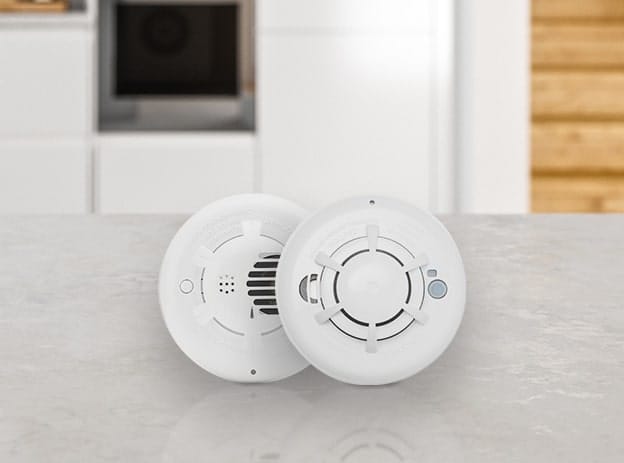
When a carbon monoxide (CO) detector goes off, it can be alarming, and it should be. Carbon monoxide is a colorless, odorless gas that can be extremely dangerous, even fatal, when left undetected. A beeping CO alarm means you need to act quickly and safely.

Here’s exactly what to do if your carbon monoxide detector goes off.
1. Stop What You’re Doing and Move Everyone Outside Immediately
The most important action is to get fresh air right away. Don’t ignore the alarm or wait to see if it stops.
Leave your home immediately, ensuring that everyone, including pets, gets outside. Exposure symptoms can escalate quickly, especially at higher CO levels.
Related: The Facts About Carbon Monoxide Poisoning Are Dangerous to Ignore
2. Avoid Using Anything That Could Cause a Spark
Avoid further risk by making sure you don’t accidentally light a spark. Do not:
- Turn lights on or off
- Use appliances
- Use your phone indoors
- Try to investigate the leak yourself
While carbon monoxide itself isn’t explosive, CO detectors often trigger during appliance malfunctions, so it’s best to avoid anything electrical.
3. Call 911 or Your Local Fire Department
Once safely outdoors, call emergency services. Fire responders can test the air, shut off unsafe appliances, and ensure the home is safe to reenter.

If you have a monitored CO detector like the device Guardian Protection offers, your monitoring center has already received the alert and may have dispatched emergency services or called you for verification. This professional oversight offers life-saving protection, especially if you’re asleep or not home when the alarm sounds.
4. Don’t Go Back Inside Until Professionals Say It’s Safe
Even if you no longer feel symptoms like dizziness, nausea, or headache, stay outside. CO can linger long after the leak source stops.
Wait until fire officials or a qualified technician gives you the all-clear.
5. Have All Fuel-Burning Appliances Inspected
After a CO alarm event, schedule a full inspection by a licensed HVAC or gas technician. They’ll identify what went wrong and ensure all appliances are operating safely. Carbon monoxide leaks most commonly come from:
- Furnaces
- Gas stoves or ovens
- Water heaters
- Fireplaces
- Clothes dryers
- Generators
- Space heaters
6. Replace or Reset Your CO Detector (If Recommended)
If the detector is older than 5–7 years, it may need to be replaced. CO detectors have a limited lifespan, and aging sensors can fail.
If the detector is still within its lifespan and emergency services have confirmed the air is safe, you may simply need to reset the unit.
7. Prevent Future CO Emergencies With a Monitored Detector
A traditional CO detector only helps if you hear it and you’re home. A professionally monitored CO detector adds an extra layer of security by:
- Alerting a 24/7 monitoring center
- Triggering immediate emergency response
- Protecting you while you’re sleeping
- Protecting your home when you’re away
This monitoring ensures that even if you miss the alarm, help is still on the way.
Final Thoughts: When a CO Alarm Sounds, Take It Seriously
Carbon monoxide incidents happen more often than most people realize. Taking quick action can prevent serious illness and save lives. Your best defense is staying prepared and having the right detection system in place. A great place to start is ensuring that you have a monitored CO detector looking out for you. To get protected, call 1.800.PROTECT (1.800.776.8328).
Frequently Asked Questions
What should I do first if my carbon monoxide detector goes off?
Immediately move everyone— including pets—outside to fresh air. Do not try to locate the source of the leak yourself. Once outside, call 911 or your local fire department.
Should I open windows or try to ventilate the house before leaving?
No. Your first priority is to get out quickly and safely. Opening windows could delay evacuation and expose you to more CO. Leave ventilation and investigation to first responders.
When is it safe to go back inside after a CO alarm?
Do not reenter the home until emergency personnel or a qualified technician confirms the air is safe. Carbon monoxide can linger even after the source of the leak stops.
Why is a monitored CO detector safer than a standalone alarm?
A monitored detector sends an alert directly to a 24/7 monitoring center. If you’re asleep, unable to respond, or away from home, professionals can contact emergency services on your behalf—providing an added layer of life-saving protection.
What appliances commonly cause carbon monoxide leaks?
Fuel-burning appliances such as furnaces, water heaters, gas stoves, fireplaces, dryers, generators, and space heaters can all produce CO if they malfunction or vent improperly. After a CO alarm, these should be inspected by a licensed technician.
Learn More About Home Security
Get more information on how to enhance your home’s protection.