Construction sites are dynamic, high-value environments. During the day, they’re bustling with workers, deliveries, heavy equipment, and constant activity. At night, they become largely unoccupied spaces filled with valuable materials and machinery. That contrast creates a unique set of security and safety challenges.
Effective construction site security isn’t about one single product; it’s about applying the right technologies to control access, mitigate risk, protect assets, and provide peace of mind throughout the life of a project.
The Unique Risks of Construction Sites
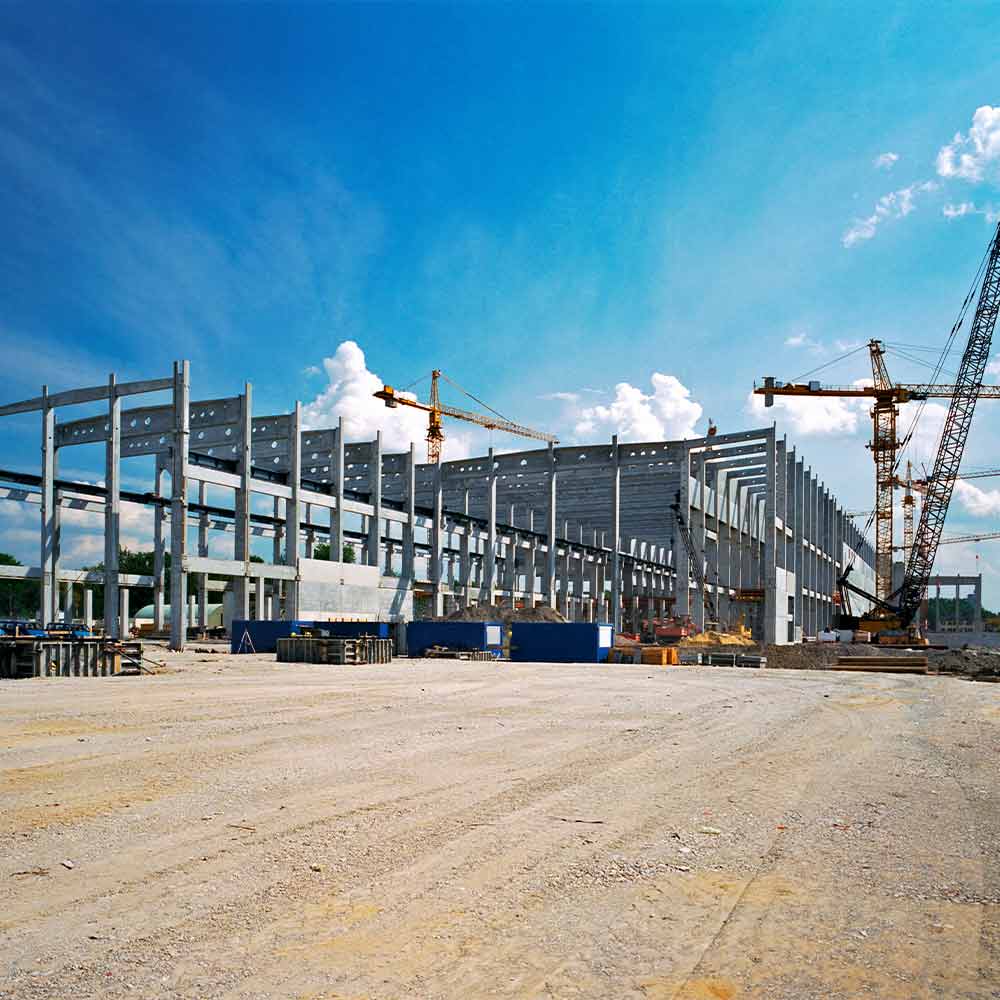
Construction projects often involve millions of dollars in materials, rental equipment, and labor. High-value assets such as generators, boom lifts, job trailers, and equipment can each be worth tens of thousands of dollars. When even one piece goes missing, the financial and operational impact can be significant.
Other key challenges include:
- After-hours trespassing and theft
- Vandalism and property damage
- Limited lighting conditions
- Temporary power limitations
- Worker safety risks
- Remote project oversight for stakeholders
Because no two job sites are identical, construction security must be flexible and adaptable.
Controlling Access and Monitoring Activity
At its core, construction site security is about controlling access and maintaining visibility.
Intrusion detection, access control, and professionally monitored video solutions help ensure that only authorized individuals enter the site. After hours, real-time monitoring can provide rapid verification and response, potentially triggering immediate 911 dispatch when necessary.
But beyond traditional intrusion detection, construction site security often requires creative approaches.
Job sites typically operate with limited budgets for security coverage, so it’s critical to “do a lot with a little.” Rather than deploying dozens of cameras across a large footprint, strategic placement and intelligent analytics can help maximize coverage while controlling costs.
RELATED: QUESTIONS TO ASK BEFORE SELECTING A SECURITY PROVIDER
Protecting Critical Equipment with Smart Analytics
In addition to detecting people, advanced security strategies can focus directly on protecting high-value assets.
For example, analytic “zones” can be set around generators, lifts, or job trailers. Even if someone manages to avoid detection in low-light conditions, movement of the protected equipment itself can trigger an alert. Motion sensors or object-based analytics can initiate the same monitored response as a human detection event.
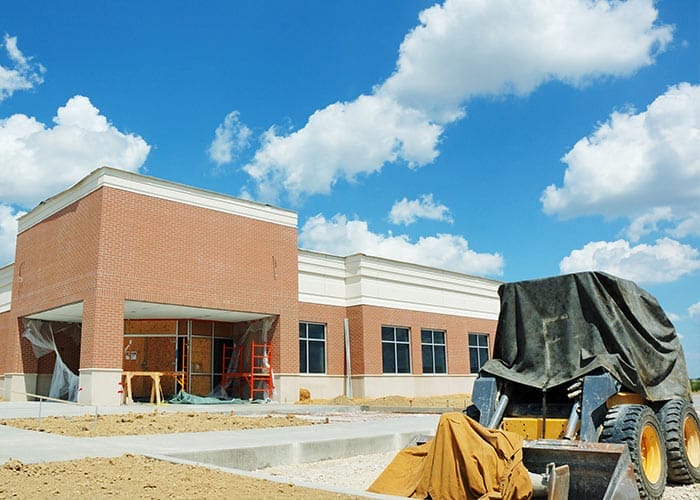
By designating where equipment should be parked at the end of each workday and aligning analytics to those specific locations, security teams can safeguard critical assets without constantly modifying rules or systems. This layered approach adds protection without unnecessary complexity.
Worker Safety: Day vs. Night Risks
Construction sites present very different risks depending on the time of day. During active work hours, concerns include heavy machinery, falling materials, and general job site hazards. After hours, risks shift toward trespassing, unauthorized access, and isolated worker safety concerns.
In some cases, worker safety buttons or emergency alert devices can be deployed, particularly for employees working late in job trailers or in areas with limited supervision. These devices allow individuals to trigger an alert immediately in the event of a medical issue or safety concern.
Security solutions can also provide general oversight for project managers and stakeholders who may be located in a different city, or even a different state, but have significant financial investment in the project. Remote viewing and event tracking offer a continuous connection to the site’s operations and progress.
Proactive Surveillance for Specialized Environments
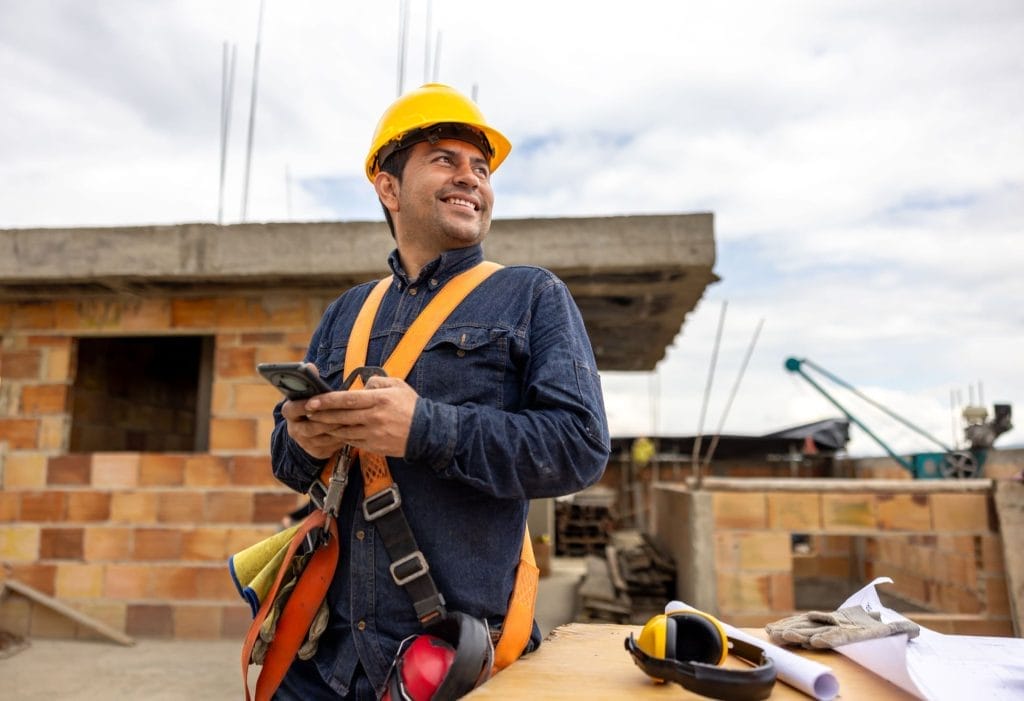
Proactive Video Surveillance (PVS) is an extremely helpful tool when it comes to oversight on a construction site. For example, with live monitoring and intelligent video analytics, site managers can gain real-time visibility into whether workers are following required safety protocols, including proper use of personal protective equipment (PPE) like hard hats, high-visibility vests, gloves, and fall protection.
Through scheduled PVS check-ins or AI-driven video analytics, teams can identify potential safety violations as they happen. If a worker enters a restricted zone without the required PPE or fails to follow established safety procedures, supervisors can be alerted immediately. This allows for quick intervention before a minor oversight becomes a serious injury.
Proactive Video Surveillance also supports OSHA compliance efforts by reinforcing consistent safety practices across the job site. Documented video footage provides accountability, strengthens training initiatives, and can serve as valuable evidence in the event of an incident or claim. By reducing unsafe behaviors and addressing risks in real time, contractors can lower injury rates, minimize liability exposure, and create a safer, more compliant work environment for everyone on site.
LEARN MORE ABOUT CONSTRUCTION SITE SECURITY
A Flexible, Scalable Approach
Construction site security is not one-size-fits-all. Whether securing a small commercial build or a large-scale development, the goal remains the same: reduce risk, prevent loss, and protect the people and assets that keep the project moving forward.
Because when you have millions of dollars invested in a project and are balancing time, labor, employee safety, liability, and potential impact to project schedule, peace of mind isn’t optional… It’s essential.
Start protecting your construction site with cutting-edge security cameras today by requesting a free consultation or calling 877.314.2959.
Frequently Asked Questions
What security solutions work best for construction sites?
A combination of intrusion detection, access control, and professionally monitored video surveillance typically provides the strongest protection. Intelligent analytics can also help detect both unauthorized individuals and equipment movement.
How does monitored security improve response times?
Professionally monitored systems can verify activity in real time and contact emergency services when necessary. Specifically, Proactive Video Surveillance can significantly reduce response delays and potential losses by identifying potential threats and helping to deter them before they lead to harm or costly damage.
Can project managers monitor sites remotely?
Yes. Remote viewing and event tracking allow stakeholders to oversee site activity from anywhere, providing peace of mind and operational visibility.
How can security systems enforce worker safety on-site?
Worker safety solutions such as emergency alert buttons can provide an added layer of protection, especially for employees working late or in isolated areas. When camera systems are backed by Proactive Video Surveillance, they can also help reduce risk by identifying potential threats before they result in harm or costly damage. Additionally, security systems can provide the oversight needed to ensure that workers are adhering to PPE standards through video analytics.
Learn More About Business Security
Get more information on how to enhance your business’s protection.