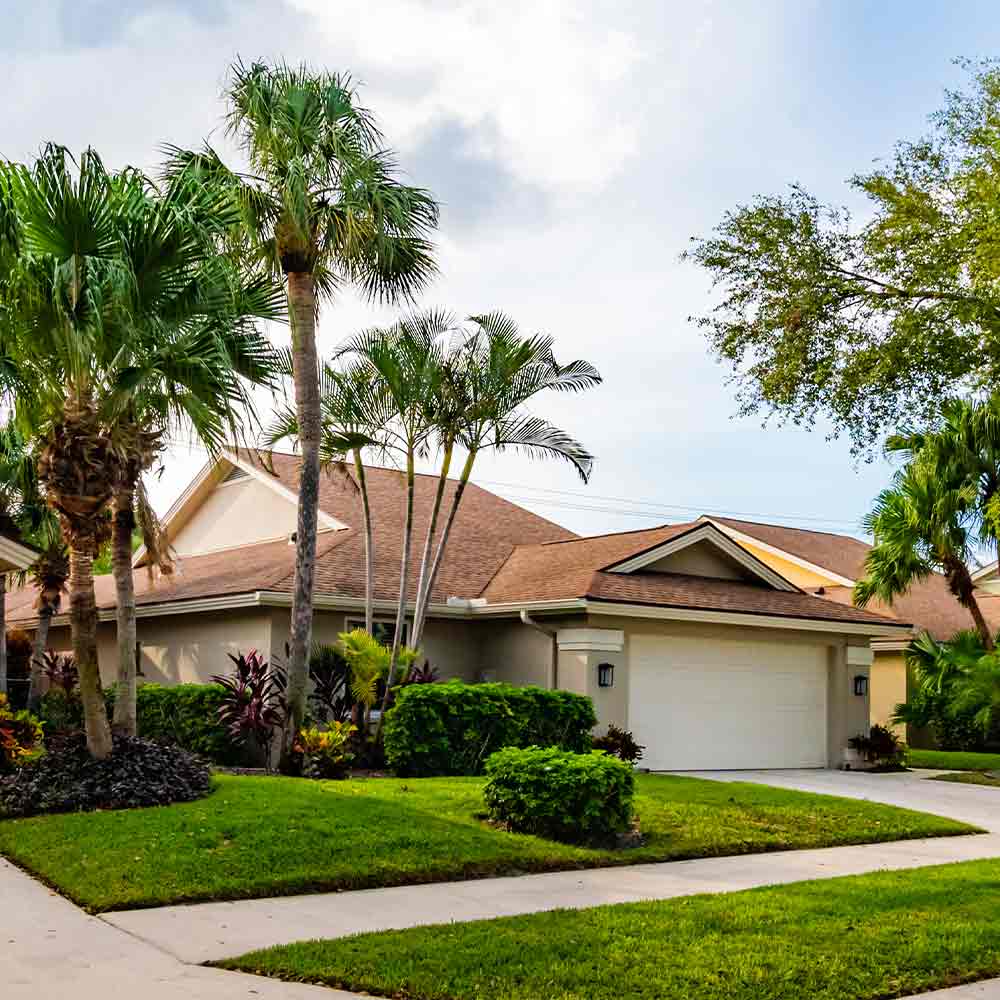
Florida generally allows home security cameras, but it is stricter than Texas or Virginia when it comes to private audio recording. Florida also has a digital-voyeurism statute that matters a lot for residential camera placement, because it focuses on secretly viewing or recording a person who is dressing, undressing, or privately exposing the body in a place where that person has a reasonable expectation of privacy. The statute expressly says that a reasonable expectation of privacy includes places like the interior of a residential dwelling, a bathroom, a changing room, a fitting room, a dressing room, or a tanning booth. This article is informational only and not legal advice.
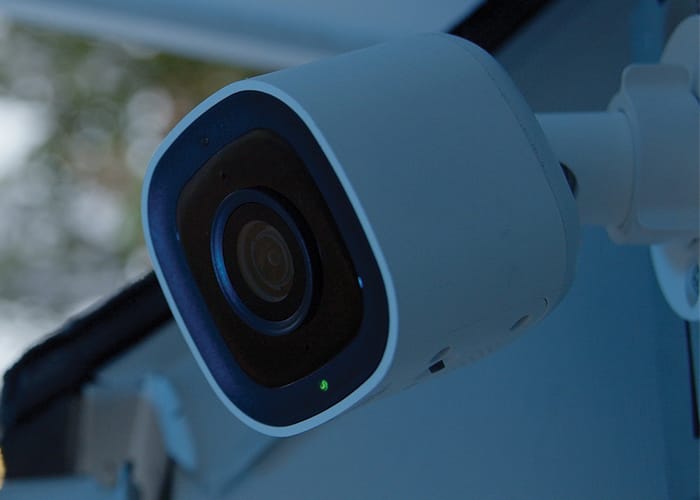
This guide is written for homeowners, tenants, and landlords using residential security cameras. It is informational only, not legal advice.
Are Home Security Cameras Legal in Florida?
Generally, yes. A Florida homeowner can typically use home security cameras to monitor obvious security zones such as a front entry, porch, driveway, garage, or backyard access point. The article starts to go sideways only when audio is captured without the required consent or when a camera is used in a way that falls into Florida’s digital-voyeurism framework.
One useful Florida-specific point is that the digital-voyeurism statute has explicit exceptions for a security system when written notice is conspicuously posted on the premises stating that a video surveillance system has been installed for security, and for a device installed so that its presence is clearly and immediately obvious. That is not a blanket free pass for every camera dispute, but it does make visible placement and signage especially helpful in Florida.
Audio Recording Laws in Florida
Florida’s wiretap statute says it is lawful for a private person to intercept a wire, oral, or electronic communication when all parties to the communication have given prior consent. The statute also provides that, except for certain narrower first-offense radio exceptions, a person who violates subsection (1) is guilty of a third-degree felony.
For homeowners, that means the microphone on a video doorbell, outdoor camera, or other smart camera is the biggest legal risk. If your goal is ordinary home security, the safest path in Florida is usually to disable audio unless you are sure everyone whose conversation may be captured has consented.
RELATED: HOME SECURITY VIDEO SURVEILLANCE LAWS BY STATE: WHAT YOU NEED TO KNOW
Video Surveillance and Expectation of Privacy
Florida’s current digital-voyeurism statute is focused on secretly viewing, broadcasting, or recording a person who is dressing, undressing, or privately exposing the body at a place and time when that person has a reasonable expectation of privacy. For a person age 19 or older, the base offense is a third-degree felony. The law also treats each instance as a separate offense.
That makes the practical no-go areas easy to identify. Bathrooms are a hard no. Changing areas are a hard no. Bedrooms used by guests, roommates, or anyone likely to dress or undress there are also bad placements for normal residential security cameras. A visible indoor camera in a living room or entry hall is much easier to defend than any hidden or semi-hidden camera near a bathroom, bedroom, or changing area.

Can Security Cameras Record Neighbors or Public Areas?
Florida’s statutes are framed around private exposure and privacy expectations, not around every property-line dispute. But the homeowner rule of thumb is still the same: aim your system at your own entrances, perimeter, and yard, not at a neighbor’s windows or secluded outdoor living space. Capturing part of a street or sidewalk while watching your own property is very different from deliberately monitoring a neighboring private area.
Security Cameras in Apartments and Rental Properties
Florida’s landlord-access statute is clear. For repairs, the landlord may enter upon reasonable notice and at a reasonable time, and the statute defines reasonable notice for repairs as at least 24 hours before entry, with a reasonable time window between 7:30 a.m. and 8:00 p.m. The statute also says the landlord shall not abuse the right of access or use it to harass the tenant.
That makes indoor cameras inside the rental unit a common low-risk choice for tenants who want documentation of maintenance or entry. Exterior doorbell devices are more likely to raise lease, mounting, and shared-space privacy issues, especially if audio is active. Landlords should keep cameras out of private living spaces and be especially cautious with any common-area system that captures sound.
RELATED: WHAT IS THE BEST OUTDOOR SECURITY CAMERA
Penalties for Illegal Security Camera Recording in Florida
Florida’s wiretap law can make unlawful audio interception a third-degree felony. Florida’s digital-voyeurism law can also be charged as a third-degree felony for an adult offender, with additional felony exposure for dissemination and repeat-offense scenarios. In other words, Florida is one of the states in this series where both the microphone and the wrong indoor placement can quickly create felony-level risk.

Best Practices for Using Security Cameras Legally
Florida is the state in this batch where signage matters more than usual. Keep cameras visible. Post a clear surveillance notice if appropriate. Use video for normal security zones like entrances, porches, and driveways. Avoid bathrooms, changing areas, and guest bedrooms. Treat audio as high-risk unless you clearly have consent from all parties. That approach lines up with the actual Florida statutes much better than a generic “homeowners can record anything on their property” rule.
Using Security Cameras Responsibly in Florida
Florida homeowners can use security cameras effectively, but the cleanest setup is visible, entry-focused, and conservative with audio. In Florida, a sign and an obvious camera can help, but they are not substitutes for thoughtful placement and respect for privacy.
Guardian Protection can help you create a system that gives you better visibility around your home with cameras designed for everyday residential security. Get your free quote or call 1.800.PROTECT (800.776.8328) to learn more.
Frequently Asked Questions
Are home security cameras legal in Florida?
Yes, generally. Florida homeowners can usually use security cameras for ordinary home-security purposes such as monitoring doors, porches, garages, driveways, and yards. The main legal issues are private audio recording and camera placement in areas tied to undressing or private bodily exposure.
Is Florida an all-party consent state?
For private-party audio recording, Florida law requires prior consent from all parties to the communication under the main statutory exception.
Can my camera record audio in Florida?
Only if Florida’s consent rule is satisfied. For most homeowners, disabling audio is the safer choice because unlawful interception can be charged as a third-degree felony.
Do security-camera signs matter in Florida?
Yes. Florida’s digital-voyeurism statute specifically recognizes an exception for a security system when written notice is conspicuously posted on the premises, and it also recognizes devices whose presence is clearly and immediately obvious.
Where should I never place cameras?
Bathrooms and changing areas are the clearest no-go locations. Florida’s statute also treats the interior of a residence as a place where someone may have a reasonable expectation of privacy when dressing, undressing, or privately exposing the body.
Are bedroom cameras illegal in Florida?
A bedroom is not automatically illegal in every scenario, but it is a high-risk placement if the room is used for dressing, undressing, or private exposure. For ordinary residential security, it is much safer to keep cameras in common areas and out of guest or private sleeping spaces.
Can my cameras record the street or sidewalk?
Usually, yes, if the main purpose is monitoring your own property and the camera is not being used to intrude into a private neighboring space. Florida’s legal risk is much higher when the recording involves private bodily exposure or audio without consent.
Can a landlord put cameras inside a rental unit in Florida?
That is the kind of placement landlords should avoid. Florida’s landlord-access law gives landlords entry rights in some circumstances, but it does not turn a tenant’s private living space into a normal surveillance area.
How much notice does a Florida landlord need before repair entry?
For repairs, Florida defines reasonable notice as at least 24 hours before entry, and the statute says entry must occur at a reasonable time.
Can tenants install cameras in their unit?
Usually, yes, but lease terms still matter. Tenants should be more cautious with devices mounted outside the unit, in shared hallways, or with audio-enabled devices.
What are the penalties for illegal recording in Florida?
Florida law can make unlawful audio interception a third-degree felony. Florida’s digital-voyeurism law can also lead to felony exposure depending on the person’s age and the conduct involved.
Discover More About Home Security
Get more information on how to enhance your home’s protection.