

Home security cameras can help deter crime, document deliveries, and give homeowners peace of mind. In Pennsylvania, the biggest legal issue is usually not video; it is audio. The state’s wiretap law makes it a crime to intercept oral communications unless an exception applies, and Pennsylvania’s consent exception for private parties requires prior consent from all parties to the conversation. Pennsylvania also has a separate invasion-of-privacy statute aimed at intimate recordings made without knowledge and consent.
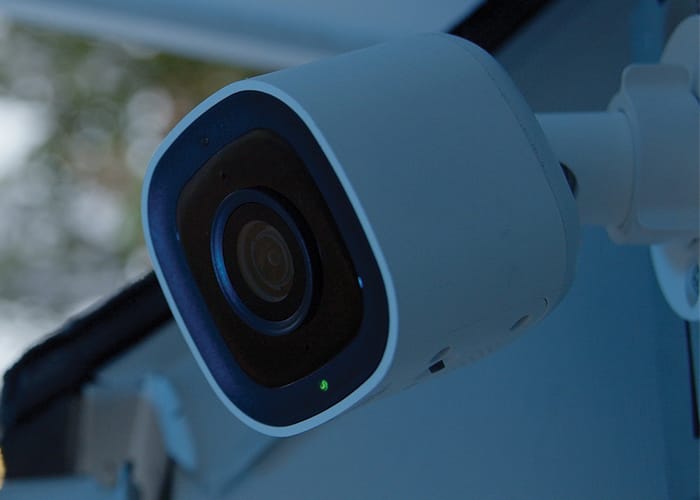
This guide is written for homeowners, tenants, and landlords using residential security cameras. It is informational only, not legal advice.
Are Home Security Cameras Legal in Pennsylvania?
Generally, yes. Pennsylvania’s clearest statewide restrictions for homeowners come from the interception of wire, electronic or oral communications rules in 18 Pa.C.S. Chapter 57 and the invasion of privacy offense in 18 Pa.C.S. § 7507.1. As a practical matter, that means a typical camera watching your front door, driveway, porch, or yard is lower risk than a camera or doorbell device that records private conversations or captures someone in a place where they would have a reasonable expectation of privacy. The safest approach is straightforward: use cameras for visible home-security purposes, keep them focused on your own property, avoid highly private locations, and treat audio recording as the area that needs the most caution.
Audio Recording Laws
Pennsylvania’s wiretap law makes it a third-degree felony to intentionally intercept an oral communication unless an exception applies. The statute defines an “oral communication” as speech made by someone who expects the communication is not subject to interception under circumstances that justify that expectation. Another section allows interception when all parties to the communication have given prior consent.
For homeowners, that creates the biggest legal risk with modern security devices. A camera with a microphone, a smart video doorbell, or a two-way audio feature can create problems if it captures private conversations without everyone’s consent. That is why the safest default in Pennsylvania is to disable audio unless you have a clear, informed reason not to.
RELATED: HOME SECURITY VIDEO SURVEILLANCE LAWS BY STATE: WHAT YOU NEED TO KNOW
Video Surveillance and Expectation of Privacy
Pennsylvania’s invasion-of-privacy statute is narrower than many homeowners expect. It specifically criminalizes certain conduct involving recording a person in a state of full or partial nudity, or recording intimate parts not intended to be visible by normal public observation, without that person’s knowledge and consent, when done for the purpose of arousing or gratifying sexual desire. The statute also defines a place with a reasonable expectation of privacy as a location where a reasonable person would believe they could disrobe in privacy without worrying they were being viewed, photographed, or filmed.
That means the clearest criminal red lines are places like bathrooms, changing areas, and other spaces tied to undressing or intimate exposure. Even when a situation does not fall neatly within § 7507.1, homeowners should still avoid cameras in bedrooms, bathrooms, and similar areas because those placements create obvious privacy risks and are much harder to defend as routine home-security use.
Public vs. Neighbor-Facing Cameras
Outdoor cameras should watch your own entry points, walkways, driveway, garage, and yard. Incidental footage of a sidewalk, street, or shared exterior area is generally easier to justify than a camera deliberately pointed into a neighbor’s window, patio, fenced backyard, or other area that feels private. Because Pennsylvania’s privacy statutes turn on consent and reasonable expectations of privacy, the safest rule is to aim cameras where a homeowner would naturally need security coverage, not where another household would feel watched.

In practical terms, do not use zoom, tilt, or camera placement to peer into another home. If your system offers privacy masking, use it. That is especially important with an outdoor camera mounted high on a garage or roofline, where the field of view can extend farther than expected.
Rental Property and Landlord-Tenant Rules
Pennsylvania’s official statutes are much clearer on audio interception and intimate privacy than they are on day-to-day residential landlord camera rules. Because of that, the conservative approach matters here. Tenants should review the lease before mounting cameras on doors, siding, or shared hallways, and they should be especially careful with any device that records audio. Landlords should keep cameras out of the tenant’s living space and should clearly disclose any security cameras in common areas.
For renters, an indoor camera inside the unit is usually a lower-risk choice than mounting a device outside the unit or into a common area. For landlords, visible cameras in building entrances or parking areas are easier to justify than anything that tracks tenants near their doors, windows, or private living areas. Where lease language or layout makes the answer unclear, written notice and written permission are the safest path.
RELATED: WHAT IS THE BEST OUTDOOR SECURITY CAMERA
Penalties for Violating Camera Laws
The penalties are serious. Illegal interception of an oral communication under § 5703 is a third-degree felony. Under Pennsylvania’s sentencing statutes, a third-degree felony can carry up to seven years of imprisonment and up to a $15,000 fine. Pennsylvania law also creates a civil cause of action for unlawful interception, which can include actual damages, liquidated damages, punitive damages, and attorney’s fees.
Invasion of privacy under § 7507.1 is generally a third-degree misdemeanor, but it becomes a second-degree misdemeanor if there is more than one violation. Under Pennsylvania’s sentencing rules, that means up to one year in jail for a third-degree misdemeanor, or up to two years for a second-degree misdemeanor, along with fines that can reach $2,500 or $5,000, depending on the grading.

Best Practices for Homeowners
Start with video only. If your system includes microphones, turn them off unless you are confident you have prior consent from everyone whose private conversations may be captured. That one choice removes the biggest Pennsylvania-specific risk for homeowners.
Keep cameras in obvious security locations. Good examples include a front entry, garage, driveway, backyard gate, or first-floor common area. A visible indoor camera watching an entry hall is much easier to justify than a hidden device in a room used for sleeping, changing, or bathing.
Aim narrowly. Your goal is to document activity on your property, not to monitor a neighbor’s daily life. Use motion zones, privacy masks, and careful mounting angles to keep the camera doing security work, not creating privacy complaints.
Notice helps. A small sign that says the property is under video surveillance is not a substitute for the consent rules that apply to audio, but it still helps set expectations and supports a more transparent use of the system.
Secure Your Home Without Crossing the Line
Pennsylvania homeowners can absolutely use security cameras, but they should do it thoughtfully. The simplest formula is this: record video for legitimate home-security purposes, stay out of highly private spaces, and be extremely cautious with audio.
Guardian Protection can help you build a smarter residential setup with home security cameras, placement guidance, and devices designed for real entry-point coverage instead of guesswork. A properly placed camera system can help protect your home while keeping privacy concerns to a minimum. Get your free quote or call 1.800.PROTECT (800.776.8328) to learn more.
Frequently Asked Questions
Are home security cameras legal in Pennsylvania?
Yes, in general. The clearest statewide legal issues are Pennsylvania’s rules on intercepted oral communications and intimate privacy, not a blanket ban on ordinary silent residential cameras.
Can my doorbell camera record audio in Pennsylvania?
It can, but using that audio lawfully is the hard part. Pennsylvania allows interception when all parties have given prior consent, so homeowners should treat doorbell audio as a high-risk feature and usually disable it.
Is Pennsylvania a two-party consent state?
For private-party recording under the wiretap law, the key consent exception says all parties must give prior consent. That is why Pennsylvania is commonly treated as an all-party consent state for private audio recording.
Can I point a camera at my driveway and front porch?
Yes. Those are classic home-security locations and are much easier to justify than private interior spaces or a neighbor-focused view.
Can my camera also capture the street?
Usually that is a lower-risk setup than pointing it into private areas. The key is to keep the camera focused on legitimate security coverage for your property.
Can I point a camera at my neighbor’s yard or windows?
That is a bad idea. Even when a statute does not spell out every possible camera angle, deliberately filming spaces that feel private creates much more legal and practical risk.
Are hidden cameras legal inside my house?
They are especially risky in private areas. Pennsylvania’s invasion-of-privacy statute squarely targets certain undisclosed intimate recordings, so hidden cameras in bathrooms, changing spaces, or similar areas should be avoided.
Can I put a camera in a bedroom?
That is usually a poor choice. Bedrooms can quickly raise privacy issues, especially if the camera could capture nudity, intimate activity, or overnight guests.
Can landlords put cameras inside a tenant’s apartment?
That is the kind of placement landlords should avoid. Pennsylvania’s privacy statutes make intimate and undisclosed recording especially risky, and interior living space is the most sensitive area in a rental.
Can tenants install cameras in their unit?
Usually, yes, but lease terms still matter. Tenants should be more cautious with devices mounted outside the unit, in shared hallways, or with audio enabled.
Do I need a sign that says cameras are in use?
Pennsylvania’s audio consent rule is not replaced by a sign, but signage is still a smart transparency step for video surveillance. It helps set expectations and can reduce disputes.
What happens if I break Pennsylvania’s recording laws?
Illegal audio interception can be charged as a third-degree felony, and unlawful interception can also lead to a civil lawsuit. Invasion of privacy can bring misdemeanor charges, with higher grading for multiple violations.
Official legal sources used for this version: Pennsylvania General Assembly pages for 18 Pa.C.S. §§ 5702, 5703, 5704, 5725, 7507.1, 1101, 1103, and 1104.
Discover More About Home Security
Get more information on how to enhance your home’s protection.


