
Modern office buildings require more than traditional locks and keys to stay secure. With employees, visitors, vendors, and cleaning crews coming and going throughout the day, managing who can enter specific areas and when has become a critical part of workplace security. Access control systems provide offices with a smarter, more flexible way to manage building access while improving safety, efficiency, and accountability.

What Is Access Control?
Access control systems regulate who can enter a building or specific areas within it. Instead of relying on physical keys, employees use credentials such as key cards, fobs, codes, or mobile credentials on their phones. Administrators can assign permissions based on roles, schedules, or locations, ensuring that only authorized individuals can access sensitive areas like server rooms, executive offices, or storage.
Because permissions are managed digitally, access can be granted or revoked instantly, making it far easier to maintain security as teams grow or change.
Simplifying Access Management for Offices
In a busy office environment, managing keys can quickly become complicated. For example, lost keys and employee turnover can create security risks and administrative headaches.
Access control systems simplify this process by allowing administrators to manage permissions through a centralized platform. If an employee leaves the company, for example, access can be removed immediately without needing to replace locks. Temporary access can also be issued to contractors, delivery personnel, or cleaning staff during specific hours, helping maintain security while keeping operations running smoothly.
RELATED: HOW BUSINESS ACCESS CONTROL SYSTEMS IMPROVE SAFETY AND EFFICIENCY
Supporting Multi-Tenant Office Buildings
Access control is particularly valuable in multi-tenant office buildings, where multiple businesses operate within the same space. In these environments, building owners often control access points such as parking garages, lobbies, elevators, and common areas, while individual tenants manage access within their own suites.
Modern access control platforms can support both levels of security. Property managers can maintain oversight of shared spaces while tenants retain control over their internal offices, conference rooms, and restricted areas. This helps ensure security across the entire building without interfering with each tenant’s operations.
Mobile Credentials and Contactless Entry
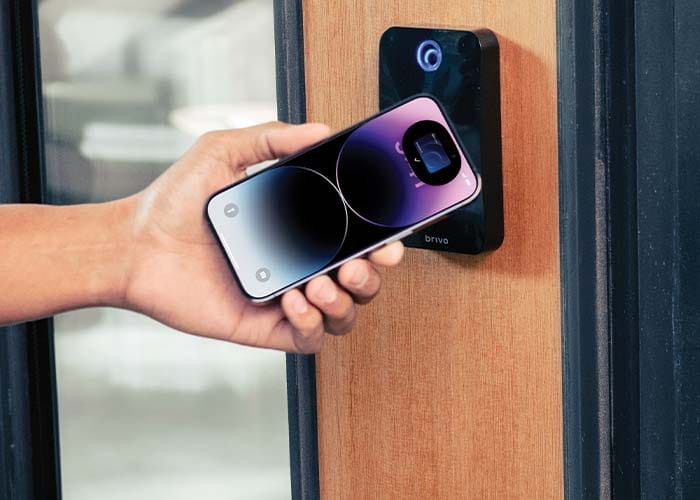
Mobile access is quickly becoming the preferred method of entry for many workplaces. Instead of carrying physical badges, employees can use their smartphones or smartwatches to unlock doors and enter secured areas.
Mobile credentials are easy to distribute and revoke remotely, making them ideal for companies with large teams or multiple locations. They also reduce the administrative burden of printing, distributing, and replacing physical cards. For employees, the experience is seamless, allowing them to tap their phone or device to gain access quickly and securely.
Enhancing Security with Data and Audit Trails
Another major benefit of access control systems is visibility. Every entry attempt can be logged, creating a detailed record of who accessed specific areas and when. This can be extremely valuable during investigations, security reviews, or compliance audits.
For example, if sensitive information goes missing or an incident occurs after hours, administrators can quickly review access logs to identify who entered the area. This level of accountability helps discourage unauthorized activity while providing valuable insights into building usage.

Integrating with Other Security Systems
Access control systems are even more powerful when integrated with other office security technologies. When connected to video surveillance, administrators can view camera footage alongside access events to verify activity at entry points. Integration with alarm systems and emergency protocols can also trigger automated responses such as locking doors or sending alerts during security incidents.
These connected systems create a comprehensive security ecosystem that protects employees, visitors, and assets across the workplace.
Building a Safer, Smarter Workplace
As offices continue to evolve, with hybrid work schedules, flexible spaces, and growing security concerns, access control systems provide the flexibility organizations need to maintain a safe and efficient environment. By replacing traditional keys with digital, remotely managed credentials, businesses gain greater visibility, stronger protection, and easier control over who enters their spaces.
For office buildings and businesses alike, access control is no longer just a convenience; it’s a foundational layer of modern workplace security. Start protecting your office building with an access control security system today by requesting a free consultation or calling 877.314.2959.
Frequently Asked Questions
How do access control systems improve office security?
Access control systems limit who can enter certain areas of the building. Instead of using traditional keys, employees may use keycards, fobs, or mobile credentials to unlock doors. This allows businesses to track entry activity and quickly revoke access if an employee leaves the company or loses a credential.
What is office access control?
Office access control is a security system that regulates who can enter a building or specific areas within it. Instead of traditional keys, employees and authorized visitors use credentials such as keycards, mobile apps, PIN codes, or biometric verification to unlock doors. This allows businesses to manage entry permissions and track who accesses certain areas.
Can access control systems track who enters the office?
Yes. Most access control systems maintain a detailed log of entry activity. These logs record when a credential is used, which door was accessed, and the time of entry. This information can help businesses investigate incidents, monitor attendance, and maintain security oversight.
Can access control systems integrate with other office security tools?
Yes. Many access control systems can integrate with other security technologies, such as surveillance cameras, alarm systems, and visitor management platforms. This creates a unified security solution that improves visibility and control over the workplace.
Learn More About Business Security
Get more information on how to enhance your business’s protection.