Office environments may seem straightforward, but when it comes to security, they’re some of the most complex to protect. From single-tenant corporate headquarters to multi-tenant buildings, office security systems must balance safety, convenience, compliance, and tenant autonomy, all while minimizing disruption to daily operations. Here’s how modern office security systems address those challenges.
Quick Links:
- Selecting System Based on Tenant Type
- Alarm Systems & Intrusion Detection
- Emergency Panic Buttons
- Advanced Video Surveillance Systems
- Mobile Access Control
- Compliant Fire Alarm Systems
- Mass Notifications

Single-Tenant vs. Multi-Tenant: Why It Matters
Firstly, offices must determine their needs before deciding on the right business security system. The biggest distinction in office security design comes down to building ownership.
For example, single-tenant facilities allow for unified systems and consistent policies across the entire property. On the other hand, multi-tenant buildings require coordination between property managers and tenants. Successful office security solutions must account for both layers while minimizing friction between stakeholders.
Intrusion Detection and After-Hours Protection
Security systems start with state-of-the-art intrusion detection. These systems are commonly installed at the tenant level, particularly in office suites with sensitive information or valuable equipment. In buildings with defined shutdown hours, intrusion detection may also protect common areas after closing.
These intrusion systems often integrate with access control systems to automatically arm or disarm based on occupancy patterns, reducing human error while maintaining protection. When combined with video surveillance and access control, intrusion detection adds another layer of security that helps property managers quickly identify threats and respond before incidents escalate. Additionally, motion detectors, door and window sensors, and glass-break sensors work together to identify unauthorized entry attempts in real time.
In many modern office environments, intrusion detection systems also connect to professional monitoring services that can verify alarms and dispatch security personnel or emergency responders when necessary.
The Importance of Professional Monitoring
Professional monitoring ensures that intrusion alarms are not ignored or overlooked when a building is unoccupied. When a sensor is triggered, the system immediately sends a signal to a monitoring center staffed by trained operators who can review the alert and take appropriate action.
If an intrusion is confirmed or cannot be quickly verified, the monitoring center can notify designated contacts and dispatch local authorities. This rapid response helps reduce potential losses, limit property damage, and provide peace of mind for property managers and tenants who rely on consistent protection outside of normal business hours.
Panic Buttons for Emergency Response
Panic buttons can also be deployed in office environments, particularly at reception desks or security checkpoints.
If an employee encounters a threatening individual or suspicious behavior, a panic button can silently trigger alerts to building security, property management, or law enforcement. In more advanced systems, it can also initiate automated lockdown procedures through access control and notify key personnel immediately. These tools provide an added layer of safety for employees and front-desk staff who serve as the first point of contact.
Secure and Oversee Areas with Video Surveillance
Additionally, video surveillance in office buildings serves both protective and practical purposes. For property managers, cameras typically focus on common areas, such as lobbies, parking lots, loading docks, perimeter doors, and elevators. Tenants expect that if an incident occurs, such as vehicle break-ins or vandalism, there will be clear footage available. Video systems help mitigate liability, provide documentation during investigations, and reinforce tenant confidence.
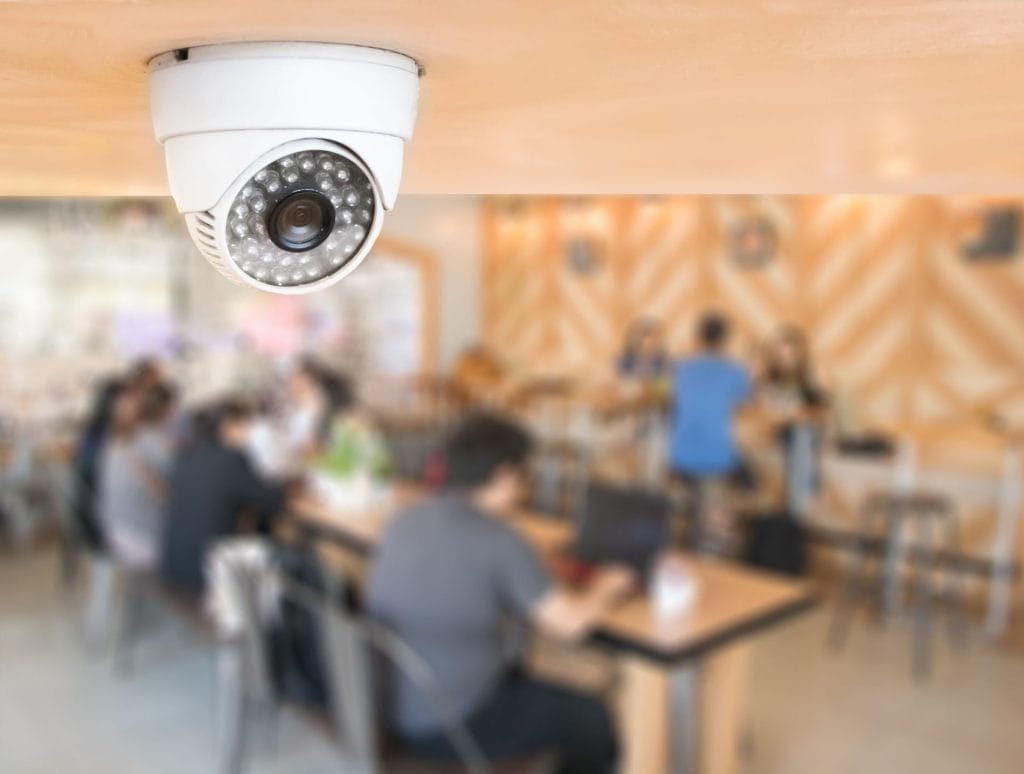
Loading dock and parking enforcement are particularly important in high-traffic buildings. With dozens of tenants receiving deliveries daily, maintaining order and visibility in these areas prevents operational bottlenecks and safety hazards. Video surveillance in these spaces also complements intrusion detection by providing verification when alarms are triggered after hours, helping security teams quickly determine whether an alert is a genuine threat or a false alarm.
Individual tenants often deploy their own internal video systems for asset protection, compliance, and workplace safety within their leased spaces. When integrated with intrusion detection, these cameras can automatically record or flag activity when doors are forced open or motion sensors are activated, providing clear documentation of events and supporting investigations if an incident occurs.
Additionally, advanced analytics, such as loitering detection, can also be deployed in common areas to trigger rapid response protocols, including alerts, lockdown procedures, and law enforcement notification. When paired with intrusion alarms, these analytics add an additional layer of intelligence. This helps security teams identify suspicious behavior before a breach occurs and enables faster, more informed responses when alarms are triggered.
Manage Movement in Complex Environments with Access Control
Access control is one of the most critical components of office security. It is also one of the most nuanced.
In single-tenant buildings, access control is relatively straightforward. Businesses can manage credentials, schedules, and permissions across their workforce with full control over policies and procedures.
In multi-tenant environments, things become more layered. Property managers often control base building access — such as lobby entrances, elevators, parking garages, and common areas — while individual tenants manage access within their own suites. This can result in multiple access control systems operating within the same building. To reduce complexity, many organizations are adopting mobile credentials. Employees can use their smartphones or smartwatches to move about without juggling multiple physical badges. Mobile access improves scalability, reduces administrative burden, and minimizes operational interruptions when staff changes occur.
Protect Against Fires
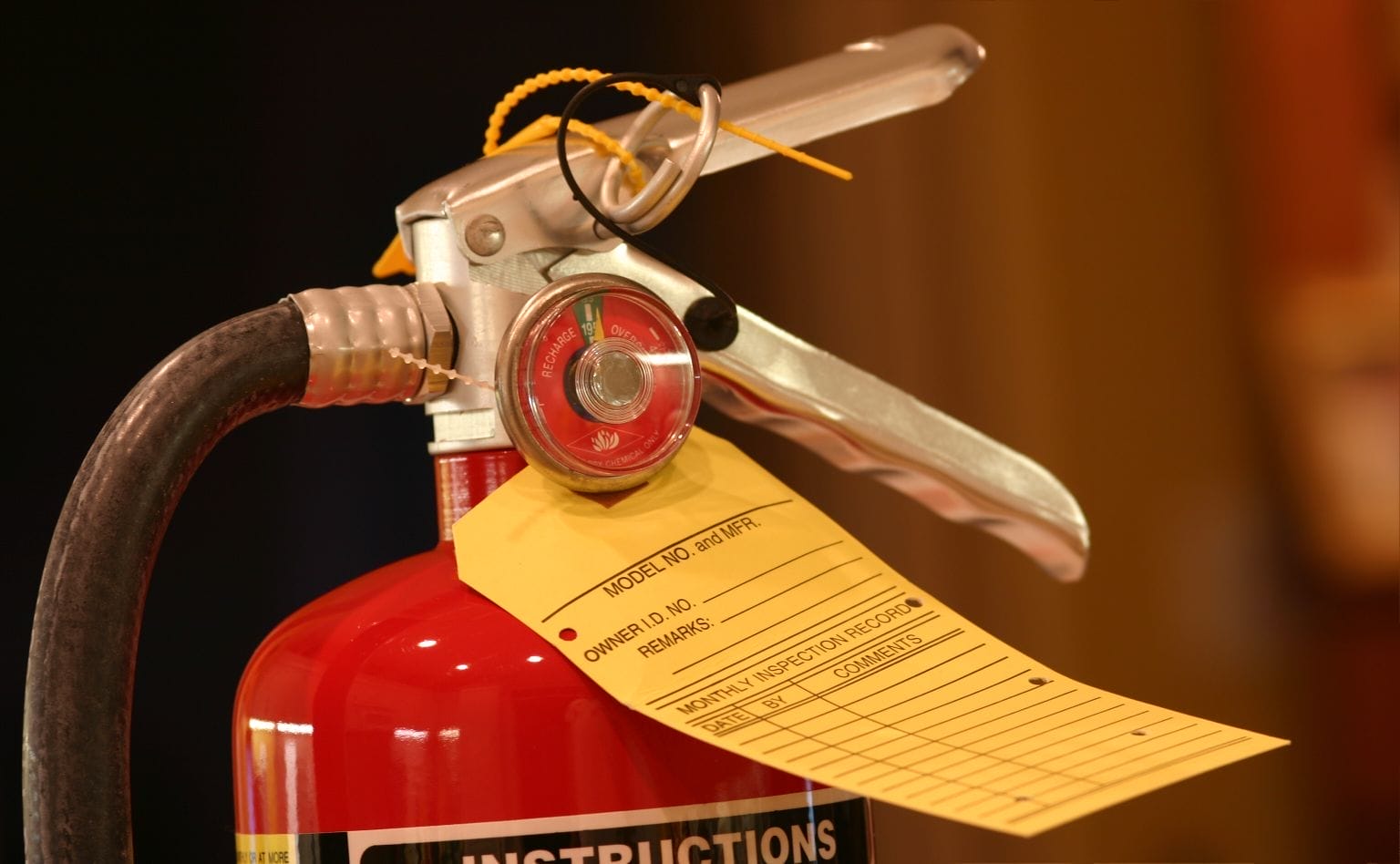
Once the tenant situation is determined, you can begin creating layered protection for your office setting. In most office buildings, fire protection starts at the property level. Often, code requires a single, certified fire alarm system for the building rather than separate systems for each tenant. That means property owners or management companies are typically responsible for ensuring fire alarm installation, monitoring, testing, and inspections meet code requirements.
These systems typically include building-wide smoke detection, pull stations, and integration with sprinkler or suppression systems. Because the system protects all occupants and shared spaces, maintaining proper documentation, routine testing, and code compliance is critical to avoid liability and ensure reliable performance in an emergency.
Tenants may add supplemental protection within their suites (when permitted), but the backbone system is centralized. This structure ensures compliance while maintaining consistency across the entire building. It also allows first responders and building managers to rely on a single, coordinated system that can quickly notify occupants, trigger evacuation procedures, and provide clear information about where an alarm has been activated.
RELATED: WHY MONITORED FIRE ALARMS ARE ESSENTIAL FOR COMMERCIAL BUSINESSES
Mass Notifications for Broad Communication
In larger office campuses or multi-tenant buildings, communication systems are just as important as physical security.

Mass notification systems can quickly alert occupants to weather closures, security incidents, or emergencies via text message, email, or app notifications. In the event of a serious threat, these systems coordinate with access control, video analytics, and intrusion detection to streamline response efforts.
A Comprehensive Approach to Office Security
Office buildings may not face the same risks as manufacturing plants or retail stores, but they still require a comprehensive security strategy. From fire protection and access control to video surveillance, intrusion detection, panic buttons, and mass notification systems, every layer plays a role in protecting employees, tenants, and assets.
The most effective office security systems don’t just react to incidents; they proactively reduce risk, streamline operations, and create a safe, professional environment where businesses can focus on what they do best.
Start protecting your office building with cutting-edge security today by requesting a free consultation or calling 877.314.2959.
Frequently Asked Questions
How do access control systems improve office security?
Access control systems limit who can enter certain areas of the building. Instead of using traditional keys, employees may use keycards, fobs, or mobile credentials to unlock doors. This allows businesses to track entry activity and quickly revoke access if an employee leaves the company or loses a credential.
Can office security cameras help prevent theft?
Yes. Visible security cameras can act as a strong deterrent to theft and unauthorized activity. Cameras also provide recorded footage that can help businesses investigate incidents, monitor activity in common areas, and improve overall workplace safety.
Can office security systems be monitored remotely?
Many modern office security systems allow remote monitoring through mobile apps or web dashboards. Business owners and managers can view camera feeds, receive alerts, and control security features from virtually anywhere.
Are office security systems customizable?
Yes. Security systems can be tailored to meet the needs of different office environments. Factors such as office size, number of employees, building layout, and security risks can all influence the design of a customized system.
Learn More About Business Security
Get more information on how to enhance your business’s protection.