According to data provided by Neighborhood Scout, “The Live Music Capital of the World” — as Austin is also known to its 619,000 residents – scores a total crime index rating of five on a scale of 100. In other words, 95% of American cities are safer than Austin, Texas. However, like most places, some of the city’s neighborhoods experience considerably more crime than others.
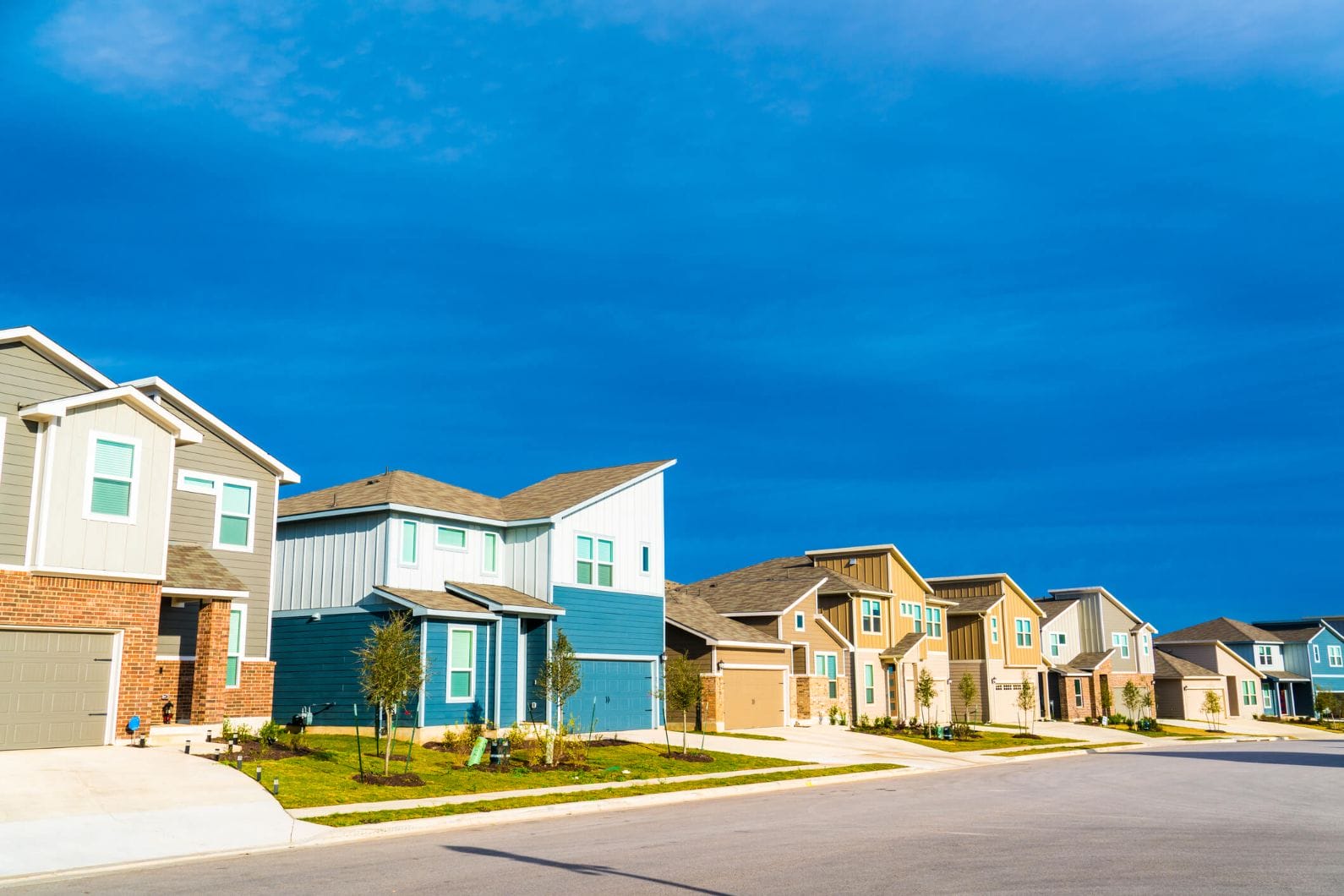
Using publicly available crime data and community safety discussions, this guide examines the most dangerous areas in and around Austin. The focus is primarily on neighborhoods within the city, with limited inclusion of nearby communities that consistently report elevated crime rates.
RELATED: AUSTIN CRIME RATE STATISTICS
Areas in and Around Austin With the Highest Crime Rates
With over 250 venues hosting nightly performances, as well as major festivals like SXSW and the TV show “Austin City Limits,” the city stands out for its vibrant music scene in addition to an abundance of outdoor recreation opportunities. Austin’s eclectic culture blends tech innovation with quirky traditions that draw visitors year-round. However, the city also has crime problems that make home security systems in Austin a valuable asset. Based on the latest crime data from AreaVibes, the following Austin neighborhoods have the highest reported crime rates.
Riverside
Riverside sees notable incidents of assaults, thefts, burglaries and vehicle thefts. This is primarily due to its proximity to nightlife, student housing and high foot traffic. Recent reports highlight concerns like vandalism and break-ins, linked to nearby homeless shelters. Other concerns include assaults, thefts, and occasional homicides, particularly in East Riverside areas. Located just southeast of downtown Austin, Riverside has a quoted population of 12,314. The neighborhood’s violent crime rate is 1,552 per 100,000 people, which is 232% higher than Austin in general and 501% higher than the nation as a whole. While the area is said to rank among Austin’s higher-risk areas, residents have noted improving conditions due to gentrification. Safety tips include staying aware at night and reporting suspicious activity.
Saint Johns
Saint Johns, a historic neighborhood in northeast Austin, is home to some 9,414 residents. The reported violent crime rate in the area is 1,435 per 100k people. This gives it 207% more crime than Austin in general and 443% more than the national average. Residents note concerns about poor lighting, rundown areas and nighttime risks, prompting advice to stay aware, hide valuables and stick to main roads. Ongoing safety challenges include elevated rates of theft, vehicle break-ins, loitering and violent incidents. Established as a freedmen’s community in the 1890s, Saint Johns holds significance in Austin’s African American history. Recent redevelopment efforts have focused on affordable housing and parks to help reduce crime in the area.
MLK
MLK, centered around Martin Luther King Jr. Boulevard in east Austin, is subject to systemic historical factors contributing to perceptions of the area as risky. Home to an estimated 5,261 people, the community has a violent crime rate of 1,366 incidents per 100,000 residents. This is 193% higher than Austin as a whole and 233% higher than the national average. Residents attribute concerns to busy nightlife and note frequent issues like car crashes, the presence of shady individuals and poor lighting at night. Common advice includes staying aware of surroundings, hiding valuables in vehicles, joining neighborhood watch programs and sticking to well-lit, active streets after dark.
Coronado Hills
Coronado Hills, located in northeast Austin near the I-35 corridor, consistently ranks among the city’s higher-crime neighborhoods. According to AreaVibes data, the area carries an F crime grade, driven by elevated rates of violent crime, including assault and robbery, along with recurring property crimes such as vehicle break-ins. Residents often cite poor nighttime lighting and limited foot traffic as contributing factors. While community organizations continue to push for redevelopment and safety initiatives, Coronado Hills remains an area where heightened awareness and preventative measures are especially important.
RELATED: THE SAFEST AREAS IN AND AROUND AUSTIN
Georgian Acres
Georgian Acres, located in north central Austin, is home to an estimated 9,299 residents. The neighborhood is reported to experience approximately 1,435 crimes per 100k people. This ranks it as having 188% more crime than Austin as a whole and 295% more than the U.S. in general. Recent reports highlight concerns over property crimes like theft and burglary, alongside violent incidents such as assaults and robberies. Residents have also voiced growing unease about sex work activity bringing disorder and safety risks, especially after dark. Austin police have conducted targeted enforcement, partnering with the neighborhood association. Still, the area ranks among Austin’s riskier spots, due to poor lighting and opportunistic thefts.
Montopolis
Montopolis, located in southeast Austin, experiences socioeconomic challenges, including financial strain, limited job access and unstable housing. The area’s mix of older homes, industrial zones and transit stops creates poor nighttime visibility and hotspots around convenience stores. Reports highlight open drug use, frequent gunshots and family violence as persistent issues. The area’s 10,471 residents are living with a crime rate of 1,336 per 100,000 people. As a result, Montopolis is reported to experience 186% more crime than Austin in general and 258% more than the nation as a whole. People who live there say police department understaffing leads to less patrolling and slower responses in Montopolis. While city efforts to recruit officers continue, the neighborhood’s residents feel neglected, compared to other places in the city.

Need a Home Security System?
Explore your options with our Essential Guide to Shopping for Home Security!
What Contributes to Higher Crime Rates in Some Areas
While no single factor defines a neighborhood, areas that report higher crime activity often experience a mix of environmental and economic stressors. These may include:
- Limited access to social services
- Higher poverty or unemployment rates
- Under-resourced infrastructure
- Fewer community programs or patrols
With that in mind, it’s important to note crime data doesn’t always define a neighborhood’s character or potential. Many of these communities have dedicated residents and local organizations working toward positive change in them.
Best Practices If You Live in a High-Crime Area
Being proactive doesn’t require a major investment, even simple steps can improve safety and visibility:
- Keep your property well-lit at night
- Always lock doors, windows, and vehicles
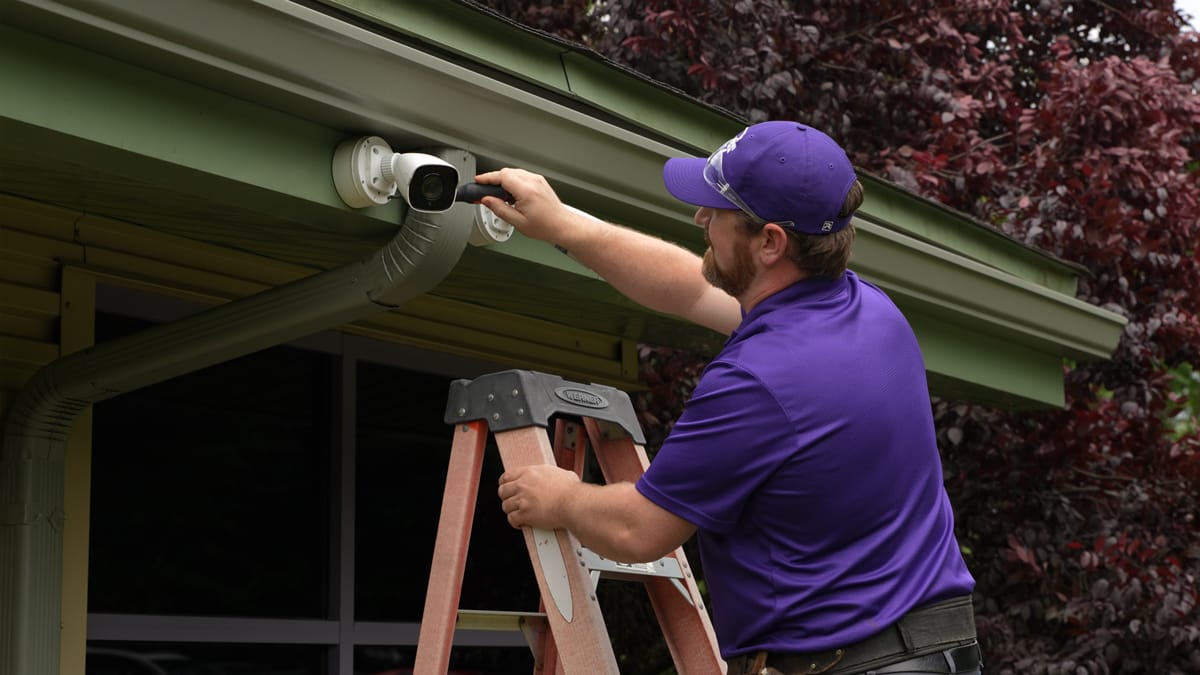
- Install visible cameras or video doorbells
- Join or start a neighborhood watch
- Coordinate with neighbors via apps like Nextdoor or Citizen
- Report suspicious activity to APD online, or phone 512.472.TIPS (8477)
Crime prevention starts with community awareness and consistent action.
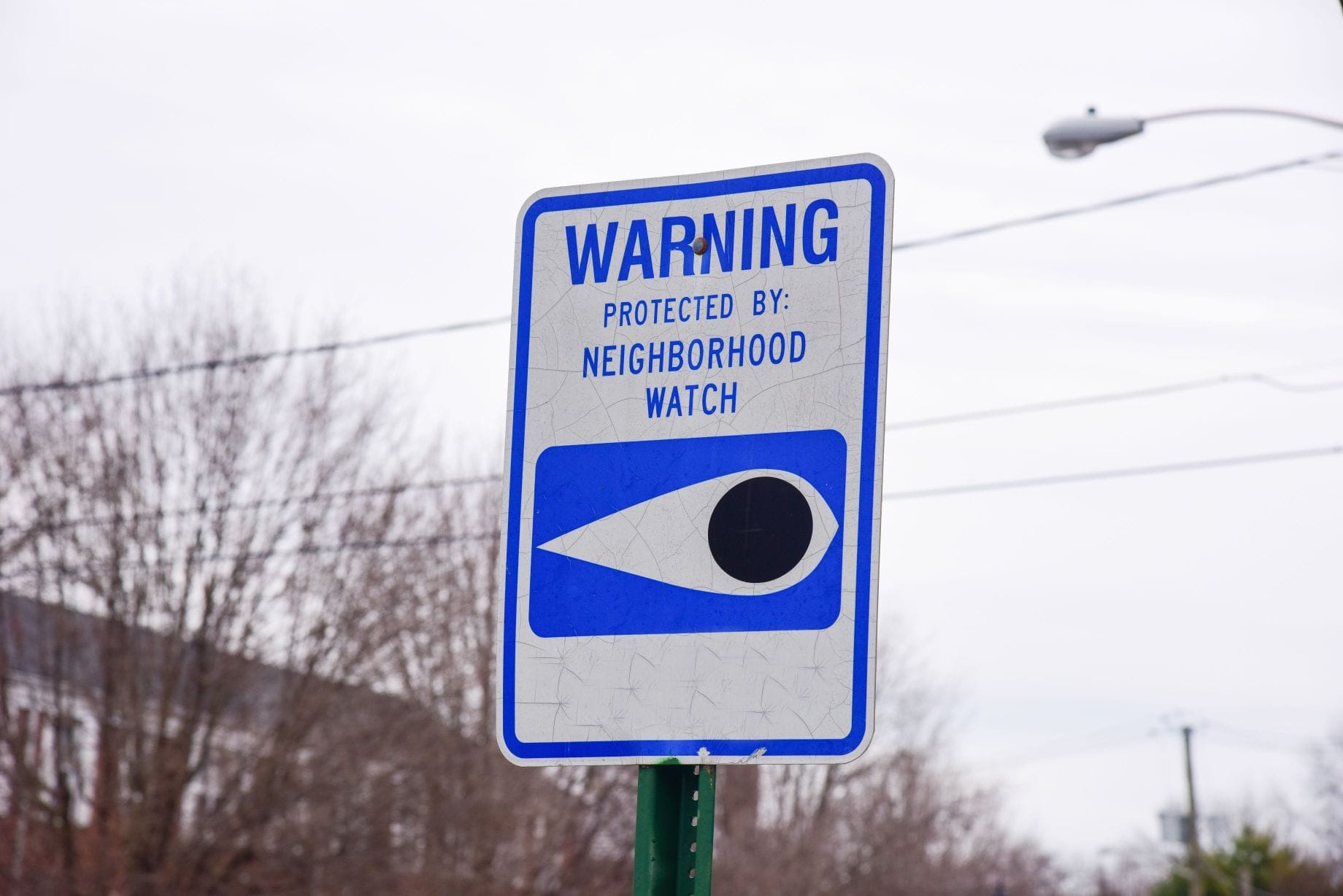
FOR YOU: TOP NEIGHBORHOOD WATCH APPS
How Guardian Protection Can Help
For residents concerned about home safety, technology can add an extra layer of awareness and deterrence. Guardian Protection offers tools designed to support proactive security, including:
- Outdoor security cameras with motion-triggered alerts
- Video doorbells that record and notify in real time
- Smart sensors to monitor doors and windows
- 24/7 professional monitoring for fast emergency response
Our systems help families stay informed and connected, whether they live in higher-risk Austin neighborhoods or nearby communities around the city.
EXPLORE GUARDIAN’S SERVICES IN YOUR AREA: HOME SECURITY IN AUSTIN
Building a Safer Austin Together
Crime data can be helpful for awareness, but it doesn’t tell the full story. What matters most is how communities respond. Whether you’re already involved in local safety efforts or just looking to protect your household, every step makes a difference.
Guardian Protection is proud to support Austin homeowners with home security solutions that fit your neighborhood’s needs.
Ready to feel more secure? Get your free quote or call 512.491.0019 to learn more.
Frequently Asked Questions
Is Austin a dangerous city?
Crime levels vary significantly by neighborhood. Some areas report higher violent crime rates, while others maintain low incident levels. With that said, AreaVibes gives Austin as a whole an F in that category, as its total crime rate is 75% above the national average.
What are considered the most dangerous areas in and around Austin?
According to AreaVibes and other public crime data, areas such as Riverside, Saint Johns, MLK, Georgian Acres, Montopolis, and Coronado Hills, along with nearby communities like Pflugerville consistently report some of the highest violent or property crime rates in and around Austin.
Is Coronado Hills one of Austin’s most dangerous areas?
Statistics compiled by AreaVibes do indeed rank Coronado Hills as one of the most crime-ridden areas in the Austin area. The neighborhood’s violent crime rate is 1,215 per 100,000 people, which is 160% higher than the city in general and 294% higher than the nation as a whole.
What are some of the safest neighborhoods in Austin?
Neighborhoods such as Downtown, East Cesar Chavez, Holly, Windsor Road and Triangle State consistently demonstrate low violent crime rates and strong community engagement.
How can I protect my home if I live in a high-crime neighborhood?
Start with basic security measures like maintaining good lighting, locking doors and windows, and installing visible cameras or video doorbells. Joining or starting a neighborhood watch and coordinating with neighbors via apps like Nextdoor or Citizen also enhances safety. Consider professional home security systems with 24/7 monitoring for added peace of mind.
Learn More About Home Security
Get more information on how to enhance your home’s protection.