Office Security Cameras: Why They Matter and Where They Should Be Placed

Office environments may seem relatively low risk compared to industries like retail or manufacturing, but they still face a wide range of security concerns. From protecting employees and visitors to safeguarding vehicles, property, and sensitive information, modern office buildings depend heavily on well-designed video surveillance systems.
Security cameras are not just about recording incidents; they help deter crime, support investigations, and provide visibility into common areas where property managers and tenants share responsibility for safety. When properly placed and integrated with other security technologies, office security cameras become a central piece of a layered protection strategy.
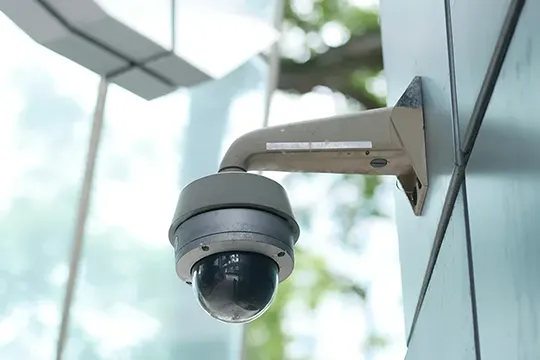
Why Office Security Cameras Are Important
Office buildings often host dozens of businesses and hundreds of employees. In multi-tenant buildings, especially, that level of activity creates unique security challenges. Cameras help maintain visibility across these constantly changing environments.
Video surveillance provides several important benefits:
- Improved safety for employees and visitors. Cameras in lobbies, entrances, and parking areas help employees feel safer when arriving early or leaving late.
- Evidence when incidents occur. Property managers and tenants often rely on video footage to investigate vehicle break-ins, theft, vandalism, or disputes.
- Liability protection for property owners. If an incident occurs, surveillance footage can help clarify exactly what happened.
- Crime deterrence. Visible cameras often discourage opportunistic crimes like vandalism, trespassing, or vehicle theft.
In many cases, tenants also expect their building management to have video coverage in critical areas. If something happens in a parking lot or lobby, occupants naturally assume the incident will be captured on camera.
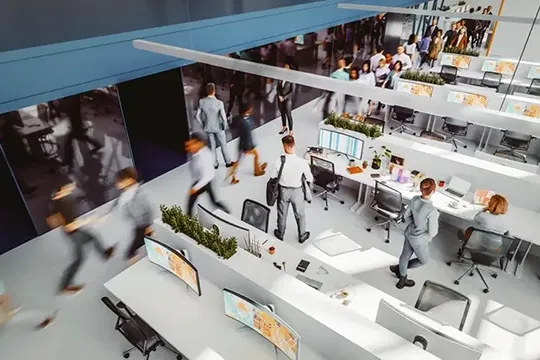
Security Cameras in Multi-Tenant vs. Single-Tenant Offices
Camera deployment often looks different depending on whether the building is single-tenant or multi-tenant.
In multi-tenant buildings, property managers typically install cameras in common areas such as:
- Lobbies
- Parking lots
- Perimeters
- Loading docks
- Shared hallways
Additionally, individual businesses may install their own internal cameras within their leased spaces for asset protection or compliance purposes.
In single-tenant buildings, the organization has more control over the entire security infrastructure. This allows for a more unified video system that covers both internal and external areas.
Key Camera Placement Areas in Office Buildings
Strategic camera placement is critical in office spaces. Rather than simply installing cameras throughout the building, organizations should focus on areas where visibility is most important. These include:
Building Entrances and Lobbies
Entrances and reception areas are among the most important locations for surveillance. These cameras help document who enters the building and when, providing an additional layer of verification alongside visitor management systems or access credentials. In larger buildings with security desks, cameras may also support visitor check-in procedures or document badge usage.
Parking Lots and Parking Garages
Parking areas are one of the most common locations for security incidents in office environments. Employees frequently report vehicle break-ins, vandalism, or suspicious activity when leaving work after hours.
Cameras in these spaces provide:
- Coverage for theft or vandalism investigations
- Increased safety for employees walking to their vehicles
- Monitoring of overnight activity around the property
Building Perimeters
Perimeter cameras help monitor activity around the outside of the building, particularly during off-hours when offices are closed.
Video analytics can detect and alert to unusual activity, such as:
- Individuals loitering near entrances
- People approaching restricted areas
- Vehicles entering spaces that should be empty overnight
These alerts allow security teams to respond quickly without constantly monitoring live feeds.
Loading Docks and Delivery Areas
Loading docks are critical operational areas in many office buildings, particularly in large multi-tenant properties that receive frequent deliveries.
Cameras help ensure that:
- Delivery areas remain clear and organized
- Unauthorized vehicles do not block scheduled deliveries
- Property managers can review footage if logistics issues arise
In busy office buildings with dozens of tenants, proper loading dock monitoring helps prevent delays that could impact multiple businesses.
Common Areas and Hallways
Shared spaces such as hallways, elevators, and shared amenities often fall under the responsibility of the property manager. Surveillance in these areas helps maintain safety while providing documentation in the event of disputes, accidents, or security incidents.
Building a Layered Office Security Strategy
Office security cameras play a crucial role in protecting people, property, and business operations. But their greatest value comes when they are part of a broader security strategy that includes access control, intrusion detection, and monitoring services. Together, these technologies create layered protection that improves safety, reduces risk, and gives property managers and business leaders the visibility they need to respond quickly when incidents occur.
As office environments continue to evolve, with flexible schedules, shared workspaces, and growing security expectations, modern surveillance systems will remain an essential component of workplace protection. Start protecting your office building with an office video surveillance system today by requesting a free consultation or calling 877.314.2959.
