How Smart Video Analytics Are Transforming Grocery Store Security and Operations

Grocery stores operate in a uniquely complex environment with high foot traffic, thin margins, perishable inventory, and constant movement across departments. Traditional video surveillance systems helped deter theft, but modern smart camera platforms go much further. With advanced video analytics like proactive alerts, queue monitoring, and people counting, today’s systems deliver actionable insights that improve both security, planogram compliance, and store performance.
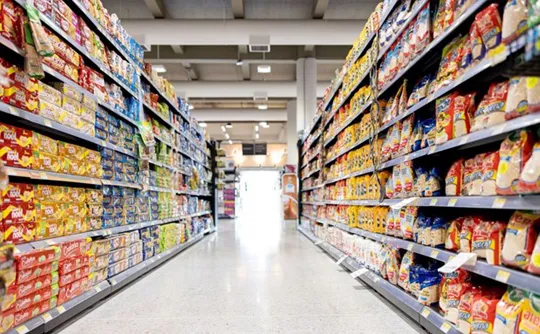
Below is a closer look at how these technologies are being used in real grocery store environments.
Proactive Surveillance: Preventing Incidents Before They Escalate
Proactive surveillance uses AI-driven analytics to detect unusual or potentially risky behavior in real time. Rather than reviewing footage after an incident, store teams can respond immediately.
Key use cases in grocery stores:
- Loitering detection: Identify individuals lingering in sensitive areas like entrances, exits, or high-theft sections (e.g., alcohol or health products).
- After-hours intrusion alerts: Receive instant notifications if someone enters restricted zones when the store is closed.
- Slip-and-fall risk detection: Some systems can flag spills or unusual activity patterns that may indicate hazards.
- Queue buildup alerts: Trigger notifications when checkout lines exceed a certain threshold.
This type of surveillance shifts security from reactive to preventative, reducing shrinkage, liability, and response times.
People Counting: Accurate Foot Traffic Insights
People counting technology tracks how many customers enter, exit, and move throughout the store. Unlike basic door counters, modern systems use cameras and AI to deliver highly accurate data.
How grocery stores benefit:
- Staffing optimization: Align employee schedules with peak shopping hours.
- Conversion rate tracking: Compare foot traffic with sales data to evaluate performance.
- Occupancy management: Ensure compliance with safety or capacity regulations when needed.
- Marketing effectiveness: Measure how promotions or external campaigns impact store visits.
By understanding exactly when and how customers shop, stores can make smarter operational decisions.
Queue Management: Reducing Wait Times and Improving Experience
One of the biggest pain points in grocery stores is long checkout lines. Video analytics can monitor queue length and wait times in real time.
What this enables:
- Automatic alerts when lines exceed a defined number of customers
- Data-driven decisions on when to open additional registers
- Improved labor allocation without overstaffing
Shorter wait times don’t just improve customer satisfaction, but they also directly impact revenue by reducing abandoned purchases.
Planogram Compliance: Turning Shelves into Data-Driven Assets
One of the most impactful and often overlooked applications of video analytics in grocery stores is planogram compliance. A planogram is essentially a detailed blueprint for how products should be arranged on shelves, including exact product placement, number of facings, and promotional positioning. Ensuring compliance has traditionally been a manual, time-consuming process. With modern AI-powered video analytics, it becomes continuous, automated, and highly accurate.
What Planogram Compliance Looks Like with Video Analytics
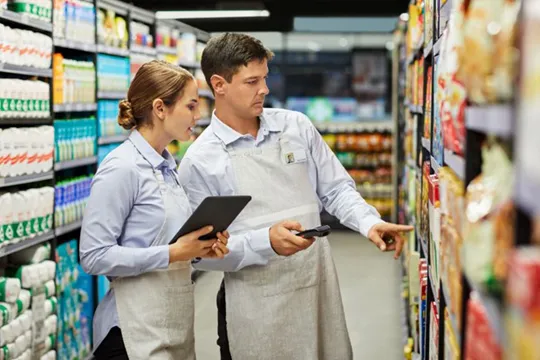
Using computer vision models, smart cameras can monitor shelves in real time and compare what’s actually on display to the intended layout.
Instead of relying on periodic employee audits, the system works as a constant “digital auditor,” analyzing shelves throughout the day.
How the Technology Works in Practice
AI-driven planogram compliance typically follows a structured workflow:
- Capture: Cameras positioned above aisles or shelves continuously collect visual data
- Detect: AI models identify individual products, labels, and shelf tags, even in challenging conditions like glare or partial obstruction
- Match: The system maps detected items against the store’s planogram to verify correct placement, spacing, and product facings
- Analyze at the Edge: Processing often happens locally (on-device or on-site servers), allowing for near-instant insights without sending large amounts of video offsite
- Alert & Act: When discrepancies are detected, such as out-of-stocks, misplaced items, or missing signage, alerts are sent to store staff or integrated systems
Key Benefits for Grocery Stores
-
Real-Time Out-of-Stock Detection
Instead of discovering empty shelves during scheduled checks, store teams are alerted immediately when products run low or go out of stock. This minimizes lost sales opportunities. -
Accurate Product Facing and Placement
AI can count product facings and verify positioning down to the SKU level. This ensures high-margin or vendor-priority items receive the visibility they’re supposed to have. -
Promotional Compliance Monitoring
Endcaps, signage, and promotional displays are critical for driving impulse purchases. Video analytics ensures these are properly executed and maintained throughout the day, not just set up correctly once. -
Reduced Labor Burden
Manual audits take time and are prone to inconsistency. Automating compliance frees up staff to focus on customer service and replenishment instead of repetitive checks. -
Data-Driven Merchandising Insights
Beyond identifying issues, analytics platforms provide trend data, highlighting recurring compliance gaps, underperforming categories, or execution issues across multiple locations.
Theft Detection and Loss Prevention
Shrinkage is a major concern for grocery stores, especially in high-value or frequently targeted categories.
Video analytics can help by:
- Flagging suspicious behaviors like concealment or unusual movement patterns
- Linking camera footage with point-of-sale (POS) transactions
- Monitoring self-checkout lanes for scanning errors or intentional misuse
This layered approach provides better visibility into both external theft and internal shrink.
Operational Intelligence Beyond Security
The real power of video analytics lies in combining security data with operational insights.
Operational Intelligence Beyond Security
The real power of video analytics lies in combining security data with operational insights.
Examples of cross-functional value:
- Inventory planning: Identify high-traffic zones that may require more frequent restocking
- Store layout testing: A/B test different layouts and compare performance
- Labor efficiency: Match staffing levels to actual in-store demand patterns
Instead of operating in silos, grocery stores can use one system to inform multiple aspects of the business.
Operational Intelligence Beyond Security
For grocery chains or operators with multiple locations, centralized dashboards make it easy to monitor performance across stores.
Managers can:
- Compare traffic trends between locations
- Identify underperforming stores or departments
- Receive real-time alerts from any site
This is especially valuable for regional managers who need visibility without being physically present.
The Bottom Line: Smarter Cameras, Smarter Stores
Modern video analytics turn security cameras into powerful business intelligence tools. For grocery stores, this means:
- Reduced theft and improved safety
- Better staffing and labor efficiency
- Optimized store layouts and product placement
- Enhanced customer experience through shorter wait times
What used to be a passive security system is now an active driver of profitability and performance.
As grocery competition grows and margins stay tight, adopting smart video analytics isn’t just a security upgrade; it’s a strategic advantage.
Start protecting your grocery store with advanced camera analytics today by requesting a free consultation or calling 877.314.2959.
